

Client
Date
Location
Budget
Needs
Flumill needed flow and wave measurements at a temporary test site in Shapinsay Sound, just north of EMEC's nursery site, to test its tidal turbine and assess its performance. Earlier data from the nursery site showed currents up to 1.2 m/s with strong eddies, so a more energetic and stable location had to be found first, then monitored while the device was operating.
Objectives
Locate an area of the channel with suitable and stable flow for the trials
Confirm the chosen location and predict currents for the testing period
Measure the flow near the operating turbine to support its performance validation
Missions
Resources deployed
Teledyne RDI Workhorse Sentinel 600 kHz ADCP, pole-mounted for the vessel survey
Seabed frame for the same ADCP, single-ping recording every 0.5 s in 1 m cells
Local workboat with deck crane, navigation software displaying survey lines to the helmsman
WinRiver II for transects, in-house Matlab tools for quality control and analysis
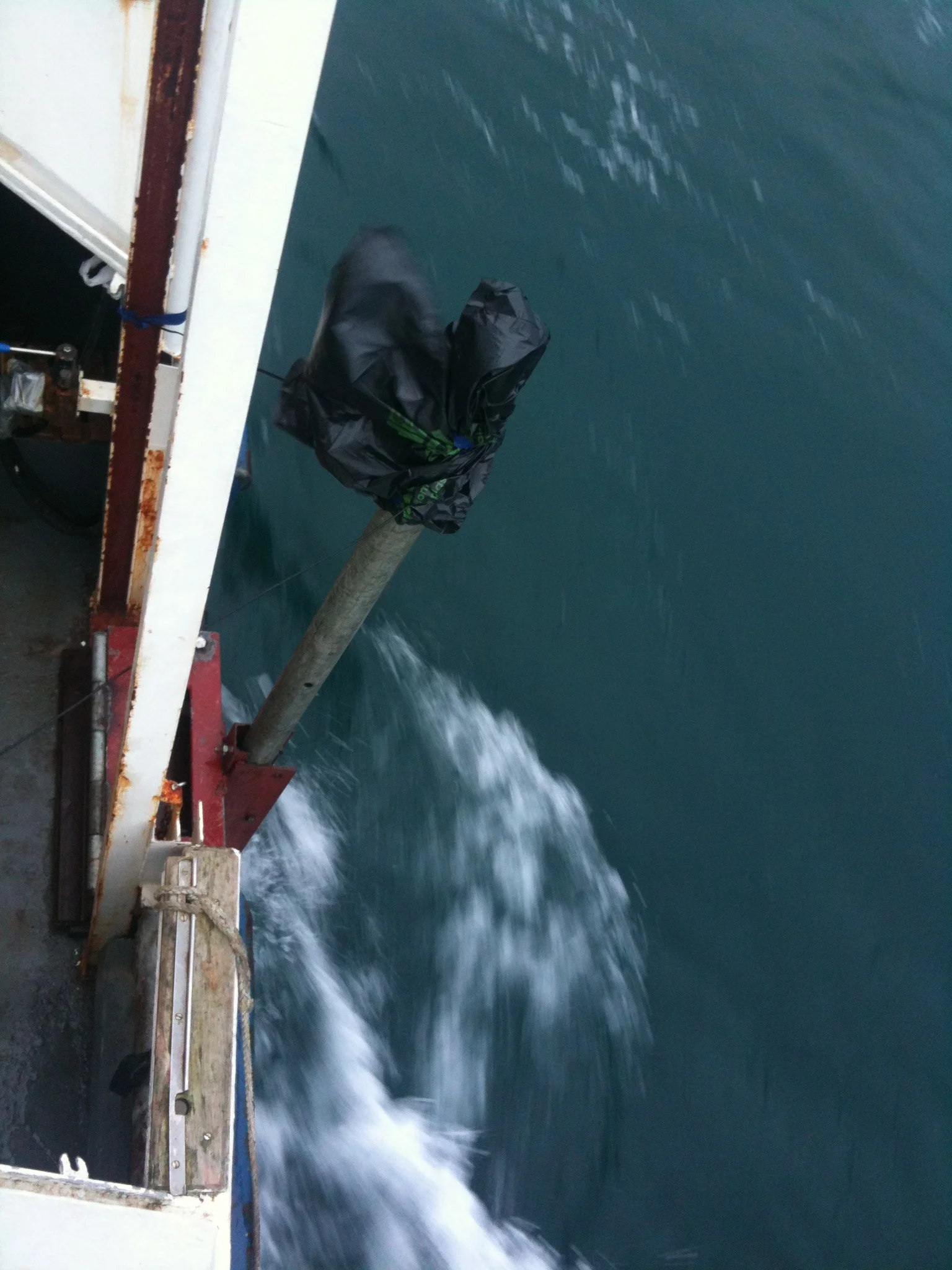
Side-mounted ADCP pole on the survey vessel
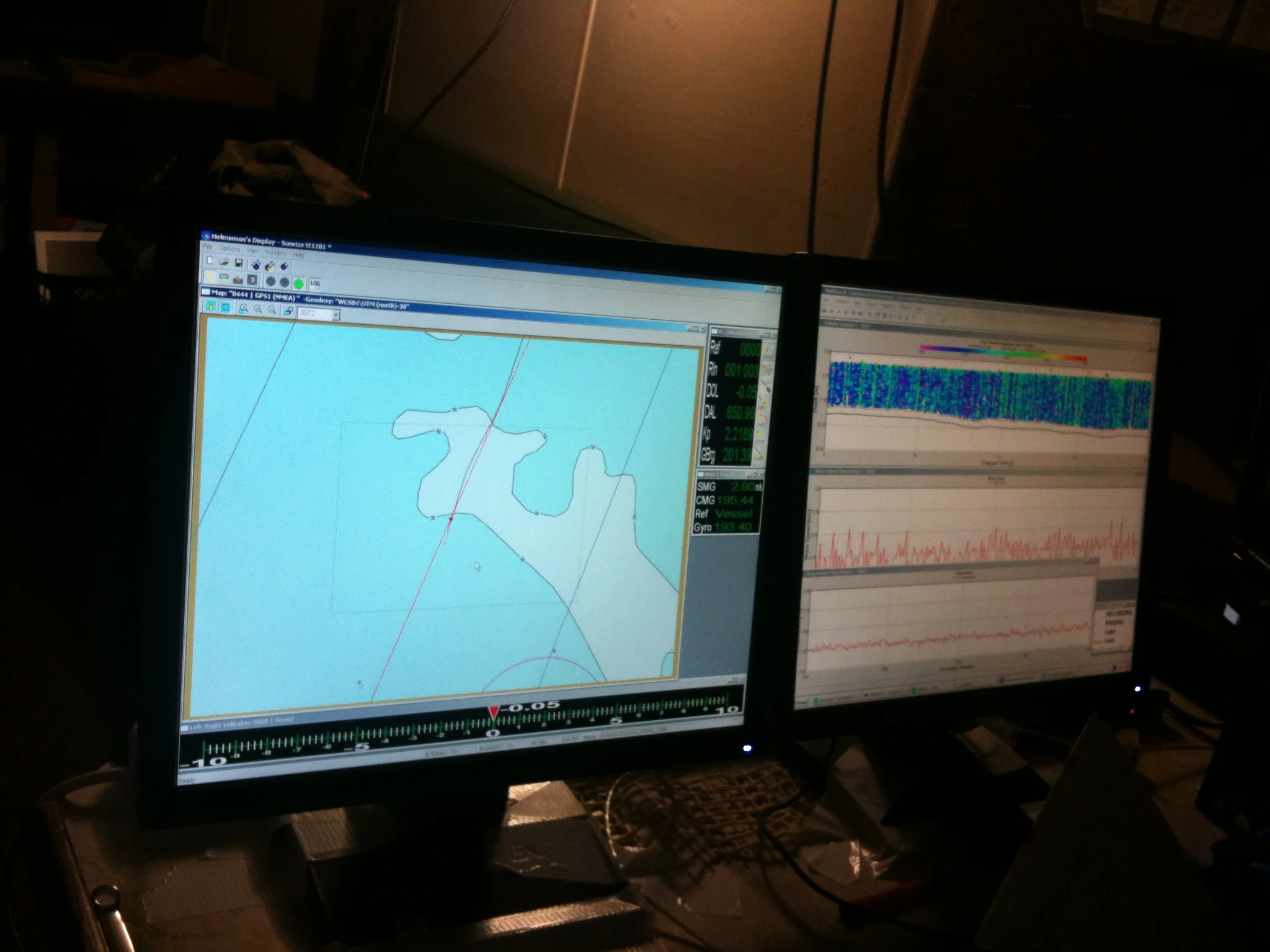
Survey lines displayed for the helmsman during the ADCP transects
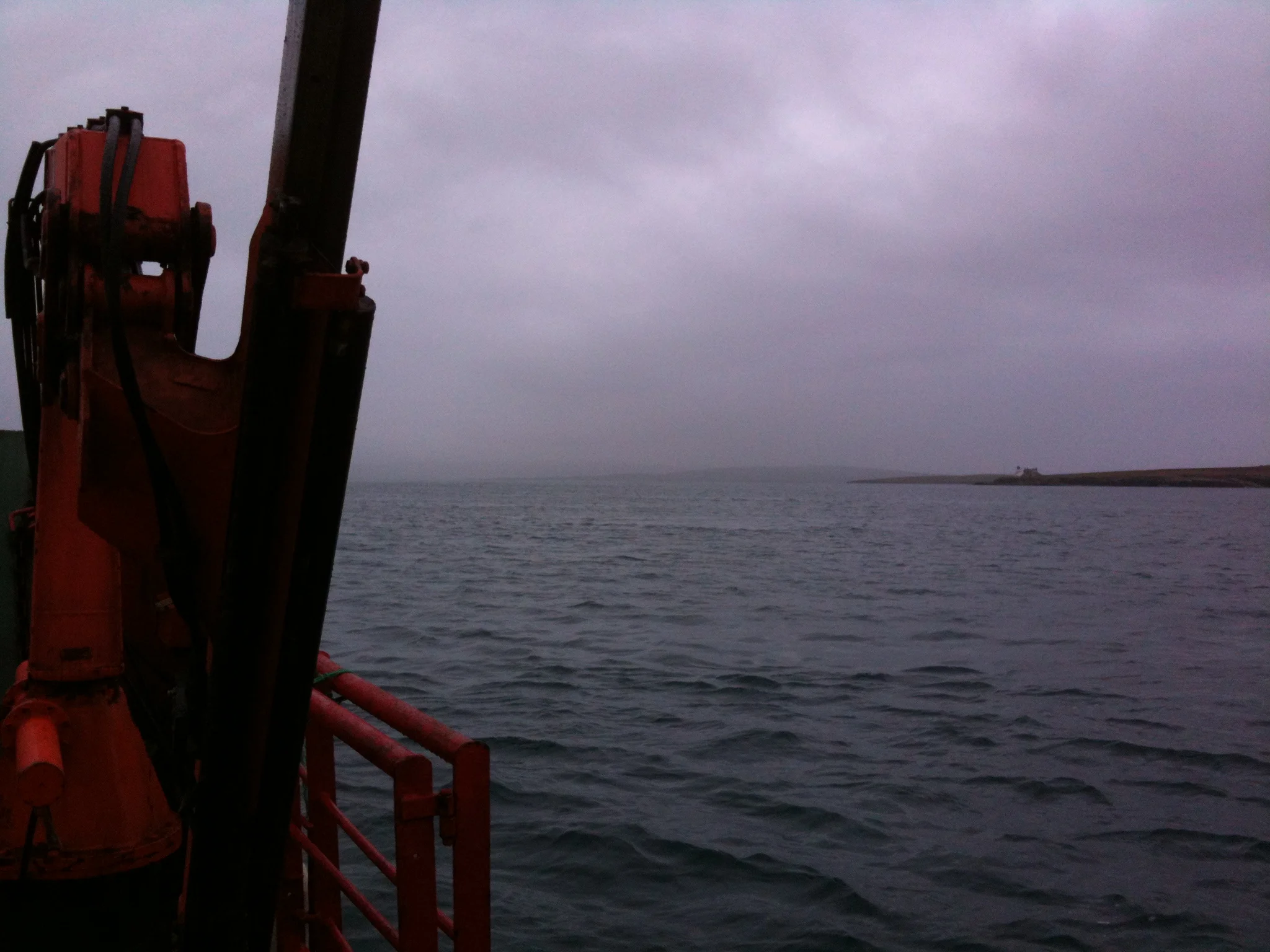
Deck crane ready for the seabed ADCP frame deployment
Results
68
vessel-mounted ADCP transects
2
seabed ADCP deployments
25 h
of monitoring during turbine operation
- Vessel survey narrowed down the turbine location to a more energetic part of the channel
- Seabed survey confirmed the flow at the chosen position and gave current predictions for the trials
- Monitoring data quality-controlled and delivered with predictions in a single spreadsheet
- Very good agreement between measurements and predictions on one flood, discrepancies explained on the others
- Recommendations for future trials: simultaneous measurements at turbine and monitoring positions, 30-day survey
Our added value
Beyond quality control, DynamOcean compared the monitoring data with the predictions made at the turbine position and explained the differences. It then recommended a method for future trials, with simultaneous pre-installation measurements, to transfer the measured flow reliably to the turbine.